
Human Self and Rational Power: (Nafşo d-Barnoşo u Haylo Mlilo)
The human being becoming the master of their own self (nafşo) is imperative for the health and well-being of both individual and societal life. This fundamental matter has persisted from ancient thinkers to the present day. Plato’s words, "Be the teacher of your self, and the student of your conscience," also point to this necessity.
The word nafşo, which is rooted in Syriac and forms the origin of the concept of nafs in Arabic, explains the layers of human existence. In Syriac, the expression ܚܰܫ̈ܐ ܢܰܦܫ̈ܢܳܝܐ (haşe nafşonoye) means precisely carnal or egoistic passions.
The Three Powers of the Self
Mor Grigorius Yuhanun Barebroyo (AD 1226–1286), renowned in literature by the name Abulfarac, divides the self into three in his Syriac work Hevath Hekemtho / The Butter of Wisdom, defining these layers as follows:
According to Barebroyo, the number of human virtues is also shaped according to these powers. When one of them grows stronger, the others weaken; that is to say, the balance within the self is the key to a virtuous life.
Duality and the Veiling of the Soul
In the duality within the human being, nafs denotes the ego, which generally carries a negative meaning. With this negative aspect, the lower self represents the sin and evil within the human being; it drives the human being toward evil, imprisons them, and defiles them. It engulfs them in shame and creates a veil between the human being and the Creator.
In this context, restraining carnal desires is of great importance. For the hidden and irregular inclinations permeated into the ego disrupt the natural cycle existing in life, turning order into disorder. The whole matter is to become aware of those hidden inclinations. Within this awareness, it is to blunt them, and even, if possible, to cut them out of life. For the true divine energy that veils life emerges only when these obstacles are removed; it warms and encompasses life.
On the other hand, the self that means the soul (anima) signifies living, the power within the living, strength, and the essence of life. As the substance of life, it is the non-material entity believed to enable living beings to live.
The Spirit: Connection with the Creator and the Inner Compass
According to Syriac culture, the spirit expresses the power of the divine connection. Its essential purpose is to transform the human heart into a fertile field that grows the seeds of truth. The spirit is like an inner compass; it is the guide that directs the human being not from the outside inward, but from the inside outward.
The spirit is also like a life socket. In order for it to establish a direct connection with the Creator, the plug must be inserted into the socket. As long as the plug is inserted, the spirit is always productive, fertile, and the primary source of all productivities.
However, due to material and dogmatic approaches, the spirit is belittled and despised. Dogmatic approaches and carnal desires prevent divine truths from reaching the human being. This situation makes it difficult to ensure balance, unity, and harmony both within and without.
Management of the Spirit and the Body
The power of the spirit to manage the body, and the existential importance of this relationship, has also been the fundamental matter of ancient thinkers. Regarding this, Mor Philoxenus of Mabbug († 523) says: "When the spirit manages the body, the entire reaction of the body transforms into healthy and stable reactions. It attains a stability worthy of mankind. Should the will of the body manage the spirit, then animalistic/carnal methods/reactions come into play… A spirit locked onto the thought of the body becomes unable to manage the body, nor can it see itself. Like the blind who do not even see themselves, it remains devoid of every appearance. So is the spirit blinded by the passions of sin. It can see neither itself nor the things beyond itself."
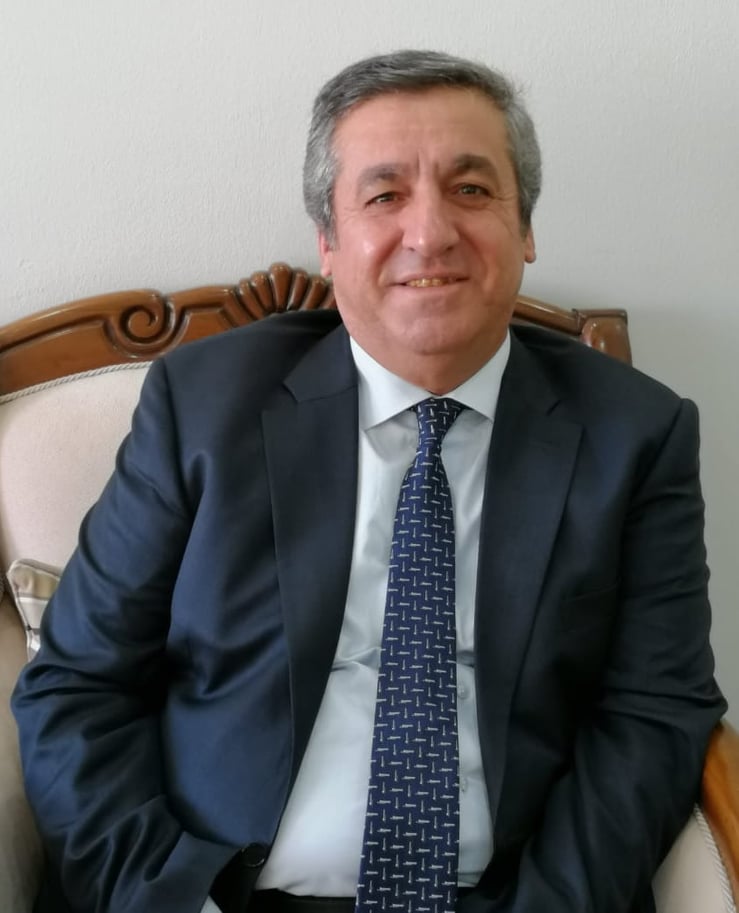
Yusuf Beğtaş
You can also send us an email to karyohliso@gmail.com


Leave a Comment